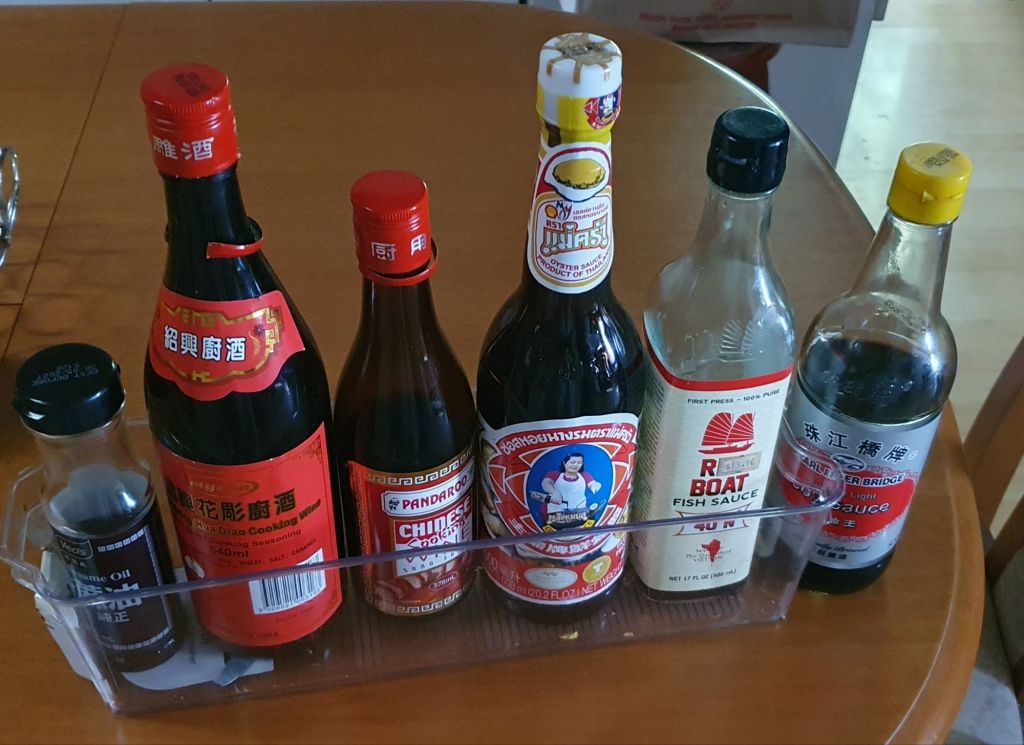
- Buy Asian ingredients at Asian Supermarkets. They are cheaper than most normal supermarkets. There is more variety available in bigger quantities for your dollar.
- Have all ingredients ready to go measured out in recipe quantities before stir-frying
- If recipe says 1tb sugar/brown sugar/palm sugar I only use 1/2 tsp.
- Wap Hoisin Sauce with Miso for gluten-free.
- Thai oyster sauce has alot less sodium than Chinese oyster sauce. I was once told by my tafe teacher to not use Thai ingredients for Chinese cooking but these days as I am watching sodium levels I do swap it out.
- Vietnamese Red boat fish sauce has a lit less sodium and is not as pungent as other fish sauces.
- There are different rices for different cuisines. Jasmine rice for Thai food. Plain rice for Chinese. Basmati rice for Indian dishes.
- If rice is listed as Low Gi it is a marketing tool. No rice is Low Gi.
- Substitute rice for cauliflower “rice” if diabetic.
- Chinese cooking often use peanut oil for its high cooking temperature and then splash sesame oil at the end before serving for a glossy appearance.
- Heat wok/pan before oil goes in. It will form bubbles of oil and smoke when it’s hot so be careful.
- Wash wok with dishwashing liquid and hot water. Then season the wok by rubbing oil into it then wipe dry. It keeps the wok rust free.
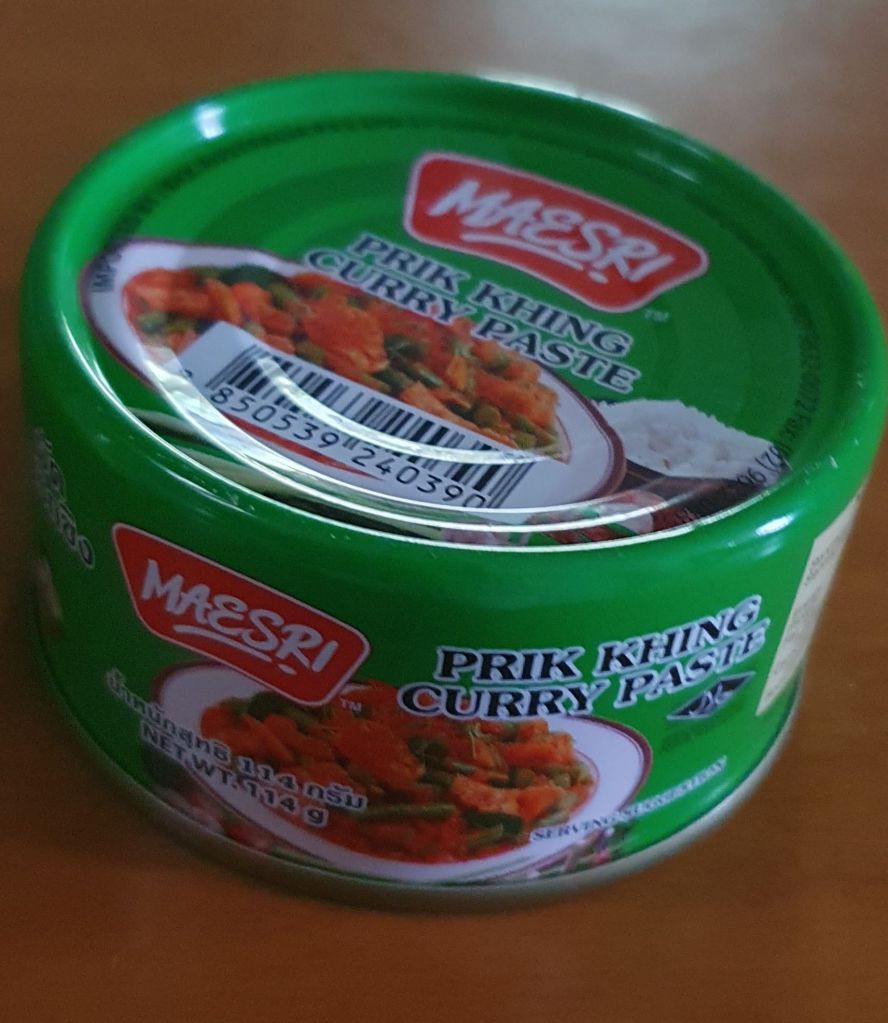
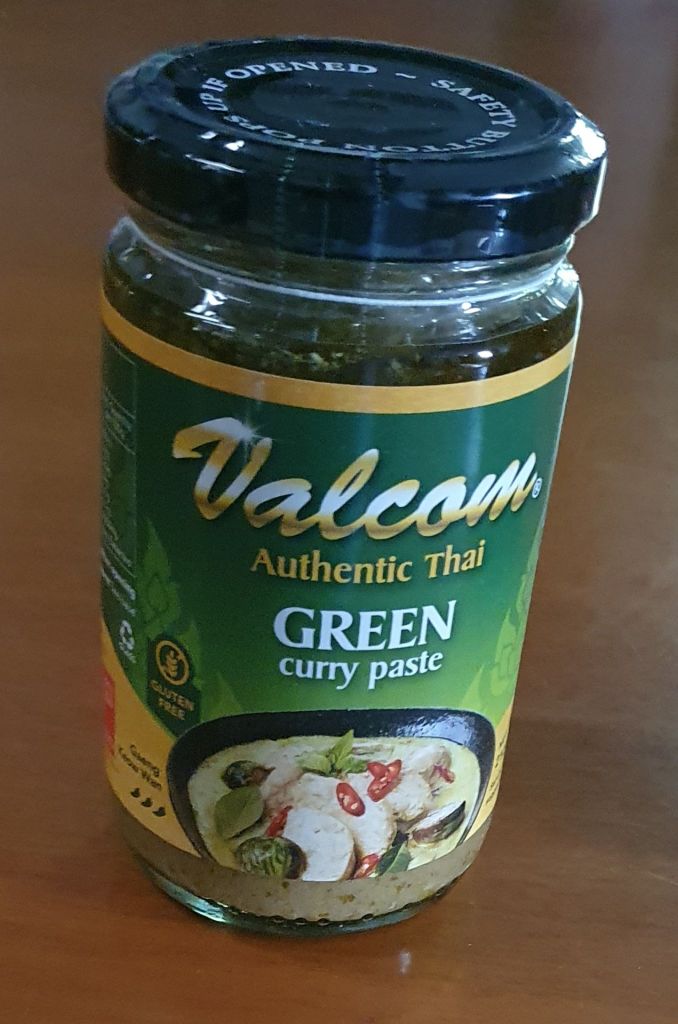
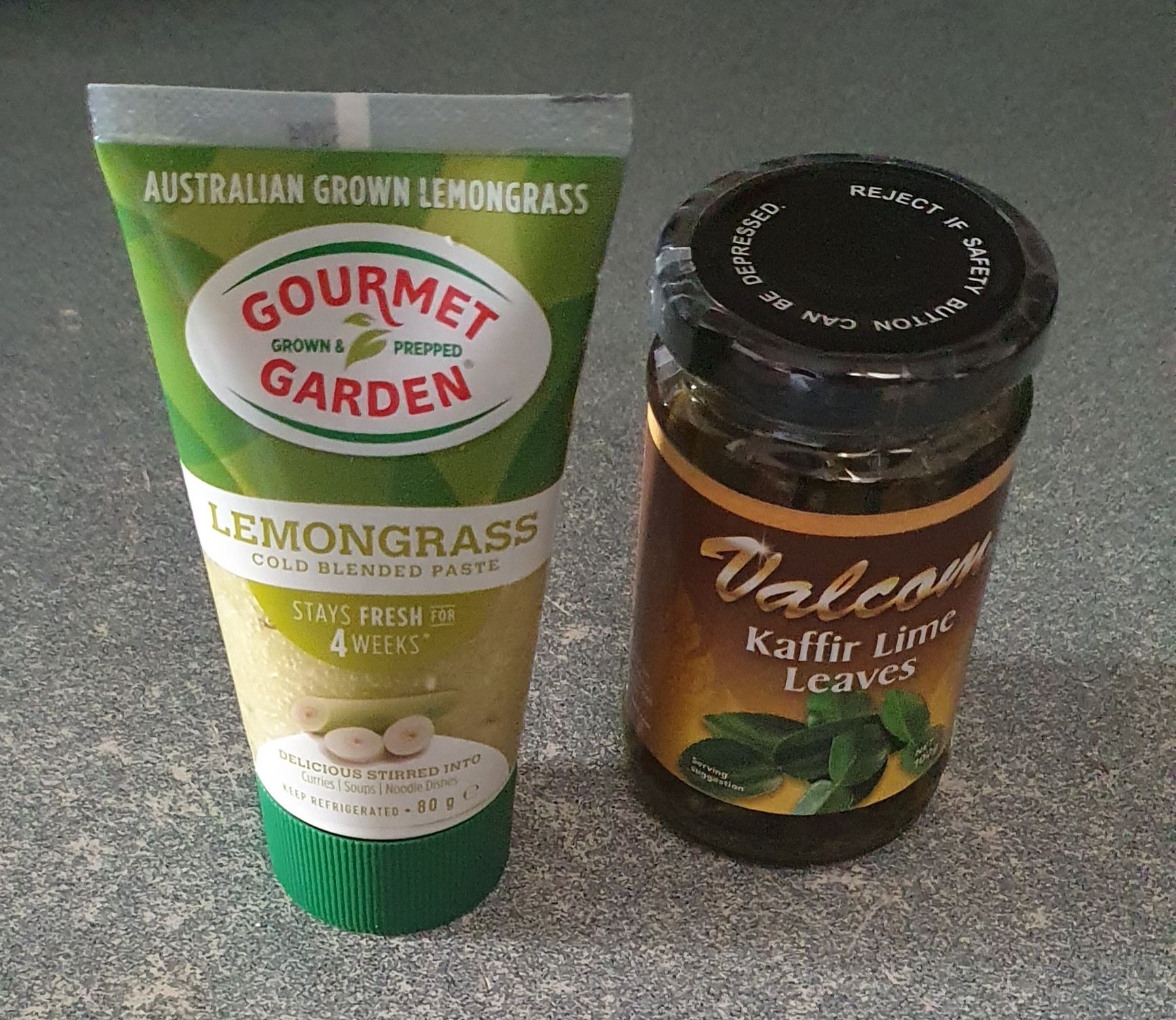
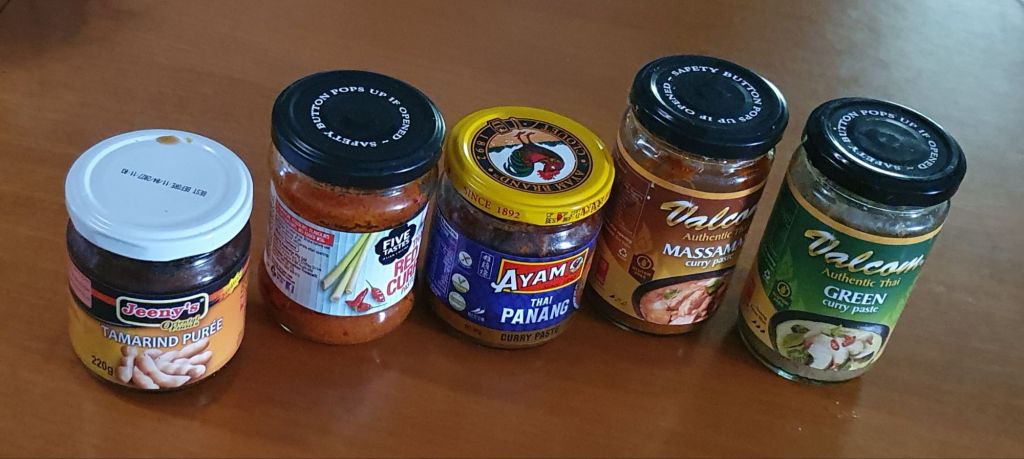
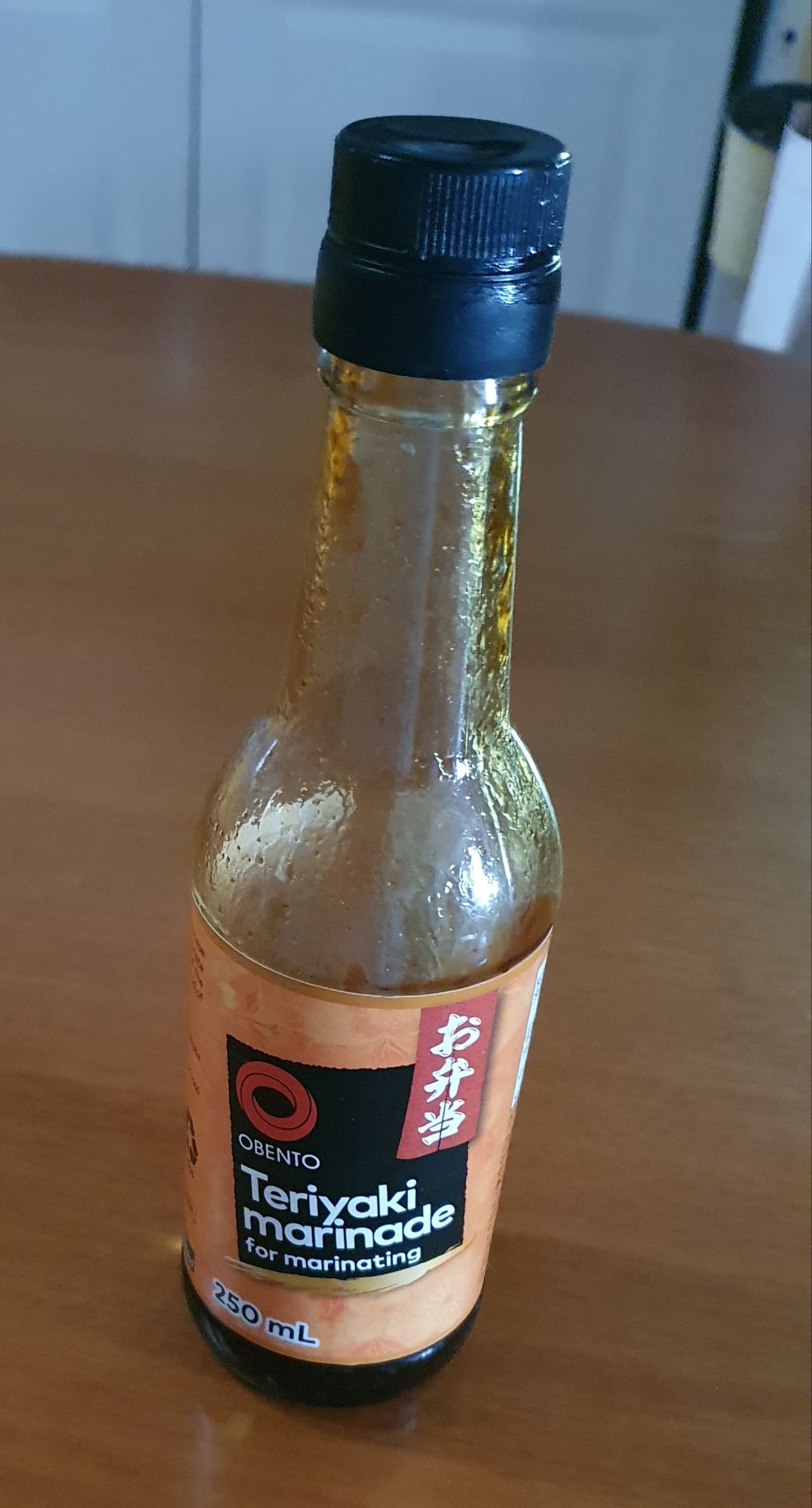
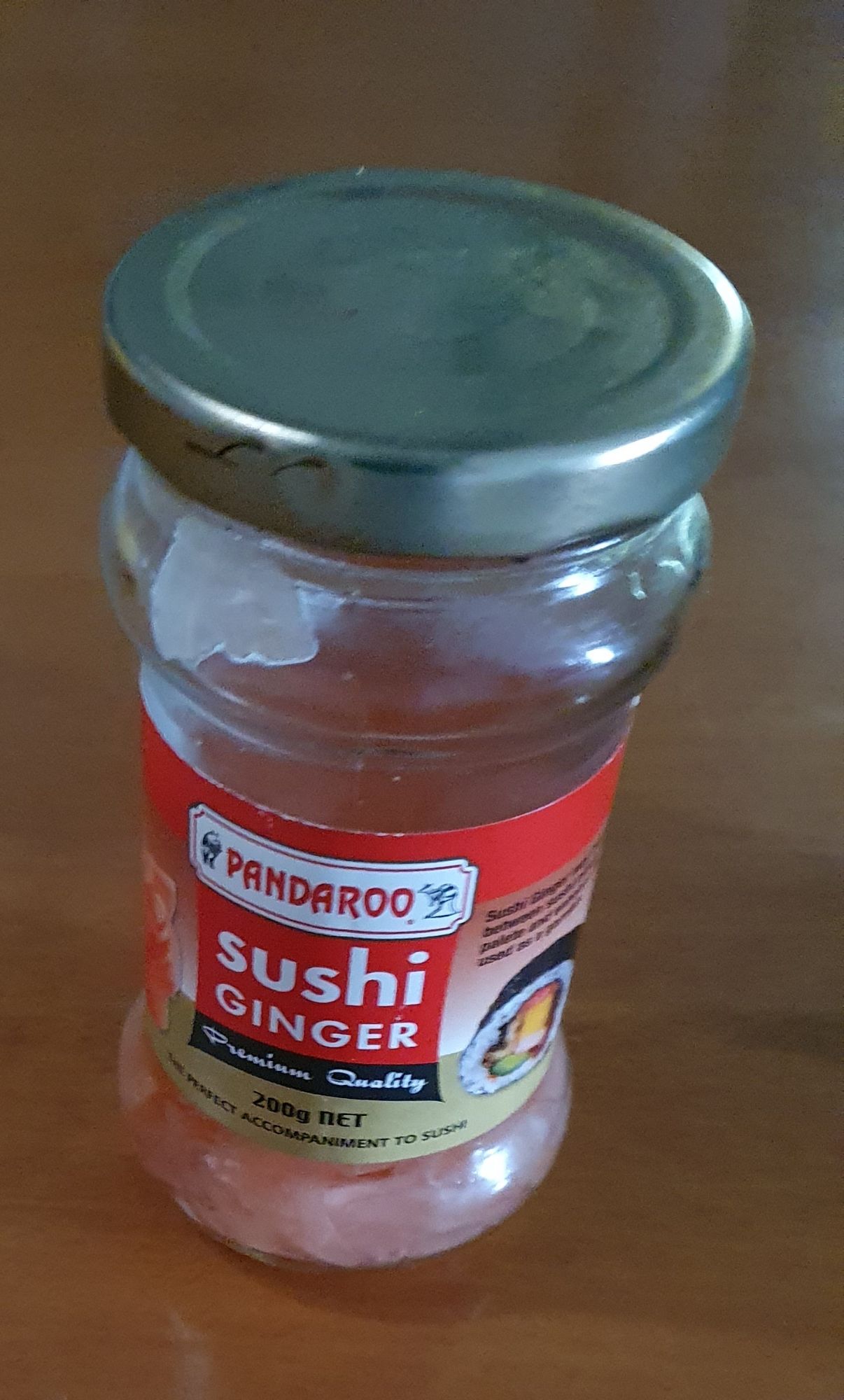
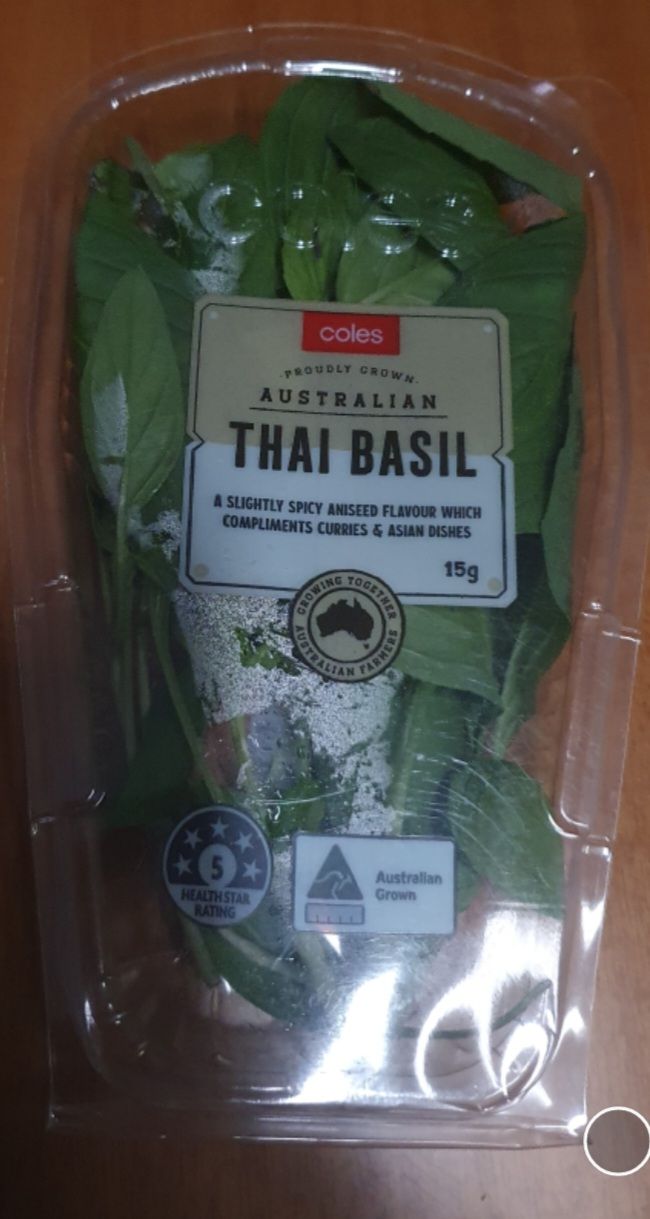
- I will post here the ingredients I buy as they are normallyless sodium than other brands.
 Cook with Barb